Can Fotona 4D Laser Facial (TimeWalker) Lift and Brighten Skin?
The short answer is yes, it can, but the degree of lift and brightness depends on what your skin looks like at baseline, how much laxity is present, how much pigment or dullness you are trying to correct, and whether the treatment settings match your goals. The Fotona 4D Laser Facial (TimeWalker) is often marketed as a non-surgical Fotona 4D Laser Facial (TimeWalker) way to tighten, smooth, and refresh the face. That description is broadly fair, though it needs nuance.
This is not a facelift in laser form. It will not reposition heavy jowls or erase deep folds the way surgery can. It can, however, improve skin tone, soften textural roughness, stimulate collagen, and create a firmer, more rested look. On the brightening side, it tends to help most when the skin looks tired because of uneven tone, superficial pigmentation, rough texture, enlarged pores, and scattered redness. On the lifting side, the best results usually show up in mild to moderate laxity, especially around the lower face, jawline, and perioral area.
What makes the treatment interesting is that it does not rely on a single pass or one type of energy. It combines several steps, some delivered inside the mouth and others on the skin surface, to heat tissue at different depths. That layered approach is why some patients see both a smoother glow and a subtle tightening effect rather than just one or the other.
What the treatment actually is
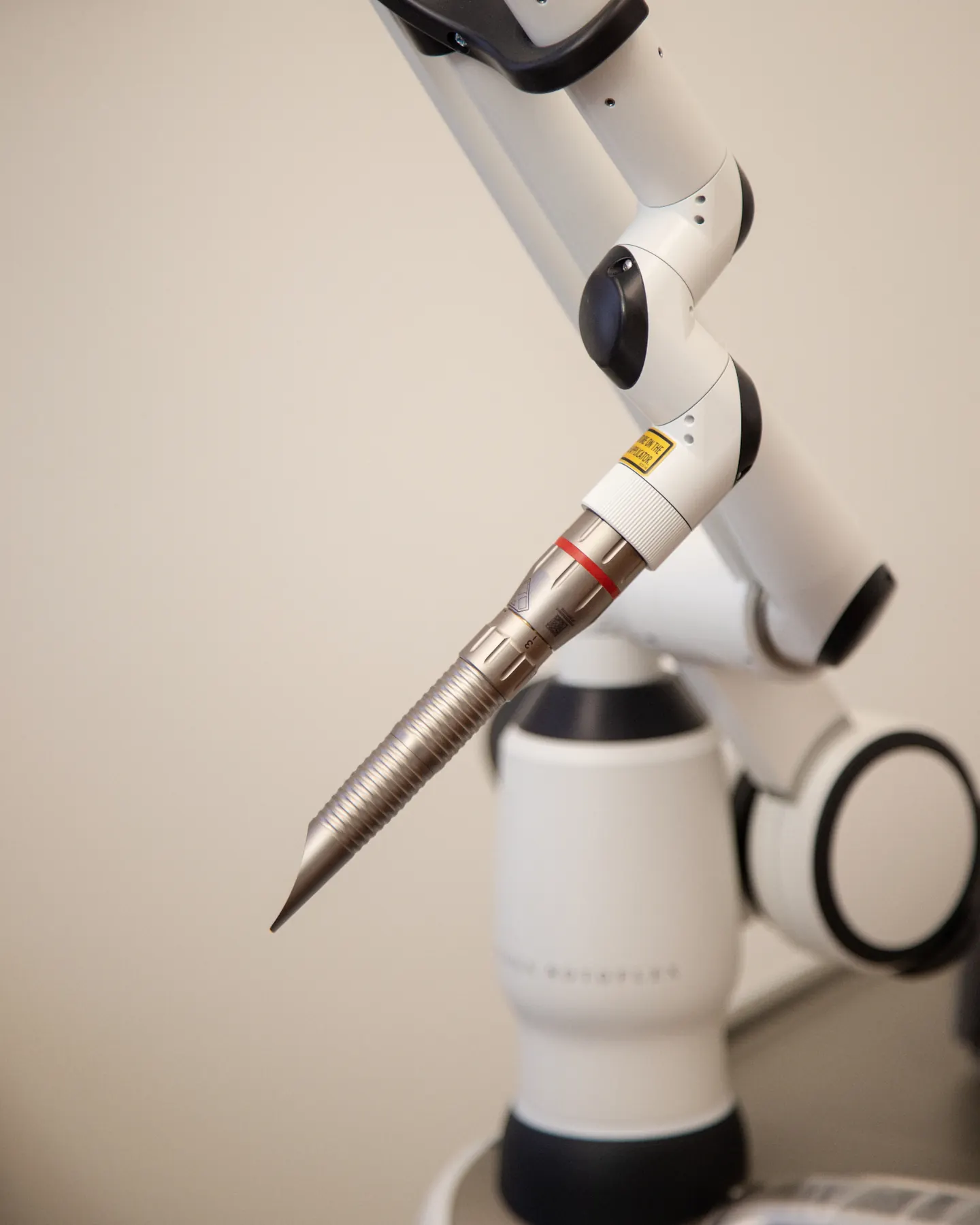
Fotona 4D is a multi-step laser protocol performed on the face, usually with Er:YAG and Nd:YAG wavelengths available on Fotona platforms such as TimeWalker. Different clinics sometimes tweak the sequence or intensity, but the core idea is consistent: treat the skin from the inside out and from the surface down.
One of the signature steps is the intraoral treatment, where laser energy is applied inside the mouth to target tissue in the cheeks and around the nasolabial area. That sounds unusual the first time you hear it, but there is logic behind it. By heating tissue from the mucosal side, the practitioner can contract collagen in an area that contributes to midface support and the appearance of smile lines. Other steps focus on bulk heating, skin tightening, and light resurfacing.
That combination matters. A lot of “lunchtime” devices can give a transient plumpness because of mild swelling and increased circulation. Fotona 4D aims for more than that by layering collagen stimulation with textural refinement. In practice, the glow may appear first, while the lifting effect tends to build over several weeks as remodeling progresses.
Why patients often notice brightness before lift
Skin brightness is easier to achieve than visible lifting. That is true across a wide range of energy devices. If you smooth the outermost layers, reduce roughness, refine pores, and even out light reflection, the face simply looks fresher. Most people recognize that change quickly, sometimes within days.
Lift is slower and more modest. True lifting requires either significant tissue contraction or structural repositioning. Non-surgical devices can improve firmness by stimulating collagen and elastin, but they cannot replicate the mechanical effect of surgery. This is where expectations make or break satisfaction.
In clinic, the happiest patients are usually not the ones asking for a “non-surgical facelift.” They are the ones saying, “I look a bit tired, my lower face feels softer than it used to, and my skin has lost some glow.” Those are realistic treatment targets. In that group, the before-and-after difference can be meaningful without looking obvious or overdone.
How the lifting effect happens
The lifting side of Fotona 4D comes primarily from controlled heating in the dermis and deeper support layers. Heat denatures collagen in a measured way, which triggers a repair response. Over time, that can lead to neocollagenesis, some degree of tissue tightening, and a firmer feel to the skin.
The effect is not instant in the same sense as injectable filler, and it is not identical to the snap some patients feel after stronger radiofrequency microneedling sessions. Instead, it tends to evolve. At first, there may be a little post-treatment fullness from mild inflammation. Then, over the next one to three months, the skin may feel denser and sit a bit better over the underlying contours.
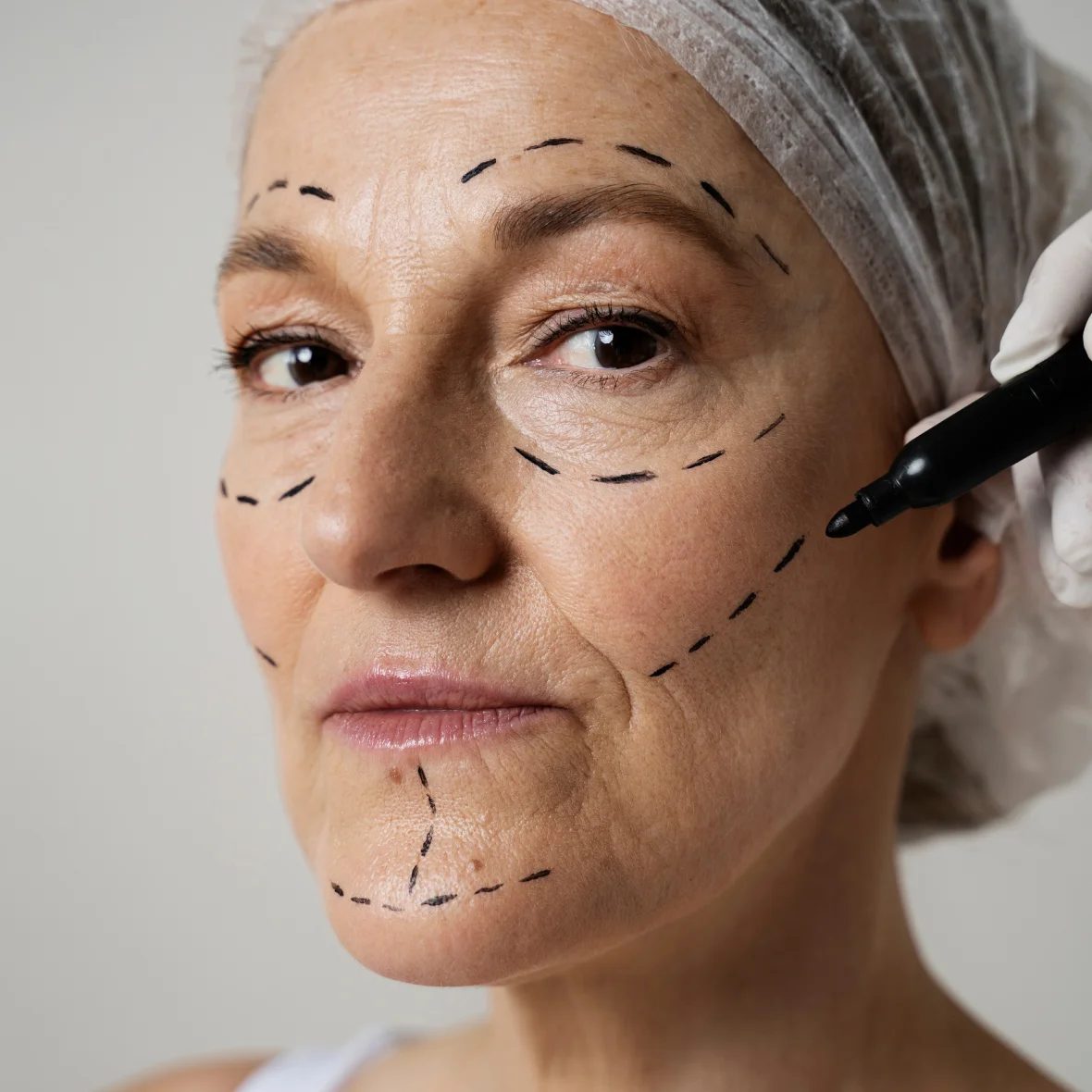
Areas that often respond well include the upper lip lines, lower cheeks, and jawline transition. The under-eye area may look a little smoother too, though that region requires careful settings and good judgment. A practitioner who understands facial anatomy will know where laser-based tightening can help and where it is likely to disappoint.
A common misconception is that “lift” means the skin visibly moves upward. In non-surgical aesthetics, lift often means improved support, less crepiness, and a sharper light reflection along the cheek and jaw. Those are worthwhile outcomes, but they are subtler than the word suggests.
How the brightening effect happens
Brightness comes from several mechanisms working together. Surface resurfacing improves texture, which changes how light bounces off the skin. Heat can also stimulate turnover, helping dull skin shed more evenly. In some cases, pigmentation appears a little softer over time, especially if rough, sun-damaged skin was muting the complexion to begin with.
Patients who smoke, spend a lot of time outdoors, or have neglected sunscreen often describe their skin as gray, waxy, or tired. Those are the cases where a treatment like this can be satisfying because the skin often regains a cleaner, more even look. Makeup sits better. The face reflects light more evenly. Fine lines around the mouth and cheeks can look less etched because the texture has improved.
It is important, though, not to overpromise pigment correction. If someone has melasma, significant hormonal pigment, or deeper dyschromia, the brightening result may be limited or inconsistent. Heat-based treatments can even aggravate melasma in some patients if the wrong settings are used or if aftercare is poor. Brightening from improved texture is real. Brightening from pigment clearance is more variable and requires judgment.
What a session feels like
Most first-timers want to know two things: does it hurt, and will I need downtime?
The honest answer is that comfort varies by step. The intraoral portion can feel strange more than painful. The bulk-heating passes often feel warm, prickly, and intense in short bursts. The resurfacing component is usually the part people notice most, particularly around the mouth and nose where skin is thinner and more sensitive.
Many clinics use topical numbing, cooling, or breaks between passes. In experienced hands, most patients tolerate the treatment well. It is not usually described as relaxing, but it is manageable. A full session often takes around 45 to 75 minutes depending on the protocol.
Downtime is usually lighter than with aggressive ablative resurfacing, but not zero. Some people leave pink and slightly puffy, then look normal by the next day. Others have a few days of dryness, bronzing, or rough texture, especially if the surface pass was more active. That is one reason social timing matters. If you have an event, doing the treatment the day before is rarely wise.
Who tends to get the best results
The strongest candidates are usually patients with early to moderate signs of aging who want improvement without surgery and without a prolonged recovery period. They often fall into a very practical category: they are not “done” enough for surgery, but they are no longer seeing much change from facials, peels, or skincare alone.
A patient in their late 30s to 50s with mild lower-face laxity, beginning smile lines, textural dullness, and some sun wear often does well. So does the patient in their 60s who does not expect a dramatic lift but wants the face to look less crepey and more alive.
The treatment can also suit people who dislike injectables or want to reduce how much filler they rely on. That said, if volume loss is the main problem, no laser will replace lost fat or bone support. In those cases, the skin may improve beautifully while the face still lacks structural fullness. That is not a treatment failure. It is a mismatch between modality and problem.
Skin type also matters. Darker skin tones may still be candidates, but settings must be adjusted carefully to reduce the risk of post-inflammatory hyperpigmentation. Anyone with active infection, significant irritation, or a history of poor wound healing needs a thoughtful assessment first.
Where expectations go wrong
The marketing language around non-surgical treatments often blurs the line between improvement and transformation. That creates disappointment, especially for patients with heavy jowls, marked neck laxity, or deep static folds.
If the jawline is loose because there is substantial skin redundancy, a laser can tighten the skin envelope somewhat, but it cannot remove excess tissue. If the cheeks have flattened from volume loss, tightening the overlying skin may help a little but will not restore youthful contour on its own. If pigmentation is hormonal, chronic, or layered, a single treatment may brighten the complexion without fully clearing the discoloration.
One pattern I have seen repeatedly is this: patients who understand the trade-off between subtlety and downtime tend to love treatments like Fotona 4D. Patients who want one session to replace surgery usually do not.
How many sessions are usually needed
A single treatment can give a visible refresh, particularly in skin texture and radiance. For collagen remodeling and a more reliable tightening effect, a series is usually better. Many clinics recommend three sessions spaced several weeks apart, then maintenance once or twice a year depending on age, skin quality, sun exposure, and goals.
This is not just sales logic. Collagen stimulation is cumulative. One session can start the process, but repeated stimulation often gives a more stable and noticeable change. Think of it less like flipping a switch and more like training tissue to behave better over time.
Timing matters too. If someone has a wedding in six weeks, there may be enough time for one treatment to brighten the skin, but not necessarily enough time to judge the full lifting effect. For a milestone event, planning two to three months ahead is more realistic.
How it compares with other options
Fotona 4D sits in an interesting middle ground. It is generally more active than a basic laser facial, yet less intense than a fully ablative resurfacing treatment. It also differs from radiofrequency microneedling, ultrasound tightening, and injectables in important ways.
Radiofrequency microneedling often excels when acne scarring, pores, and texture are major concerns alongside tightening. Ultrasound devices can target deeper support layers and may appeal to patients focused on lifting, though comfort can be an issue and results vary. Fractional ablative lasers can produce stronger resurfacing for lines and sun damage but with more downtime. Fillers restore volume where volume is missing, which no collagen stimulator can truly replace.
In real practice, these are not mutually exclusive categories. The best plan is often blended. A patient might use Fotona 4D to improve skin quality and mild laxity, then add small amounts of filler or biostimulatory treatment for support where structure has been lost. Another patient may choose Fotona because they want visible change without needles or because they are not willing to commit to a week of social downtime.
Safety, side effects, and the less glamorous truths
Laser treatments are often described in polished, reassuring terms. That is useful up to a point, but patients deserve the less glamorous details too.
Temporary redness is common. Swelling, especially around the cheeks and mouth, can happen. The skin can feel dry, warm, tight, or slightly rough for a few days. Breakouts are possible, particularly in acne-prone skin or when occlusive products are used after treatment. If there is a resurfacing component, tiny crusts or a sandpapery feel may appear briefly.
Less common but more important risks include burns, prolonged redness, changes in pigmentation, herpes simplex flare in those prone to cold sores, and uneven results if settings are too aggressive or poorly chosen. This is Fotona 4D Laser Facial (TimeWalker) one reason provider skill matters more than the machine brochure.
A sophisticated platform in inexperienced hands is still a problem. Good operators adjust based on skin thickness, ethnicity, recent sun exposure, rosacea tendency, active skincare, and history of pigment issues. They also know when not to treat. For example, someone aggressively using retinoids, exfoliating acids, and tanning on weekends is not an ideal same-day walk-in candidate.
The appointment before the appointment
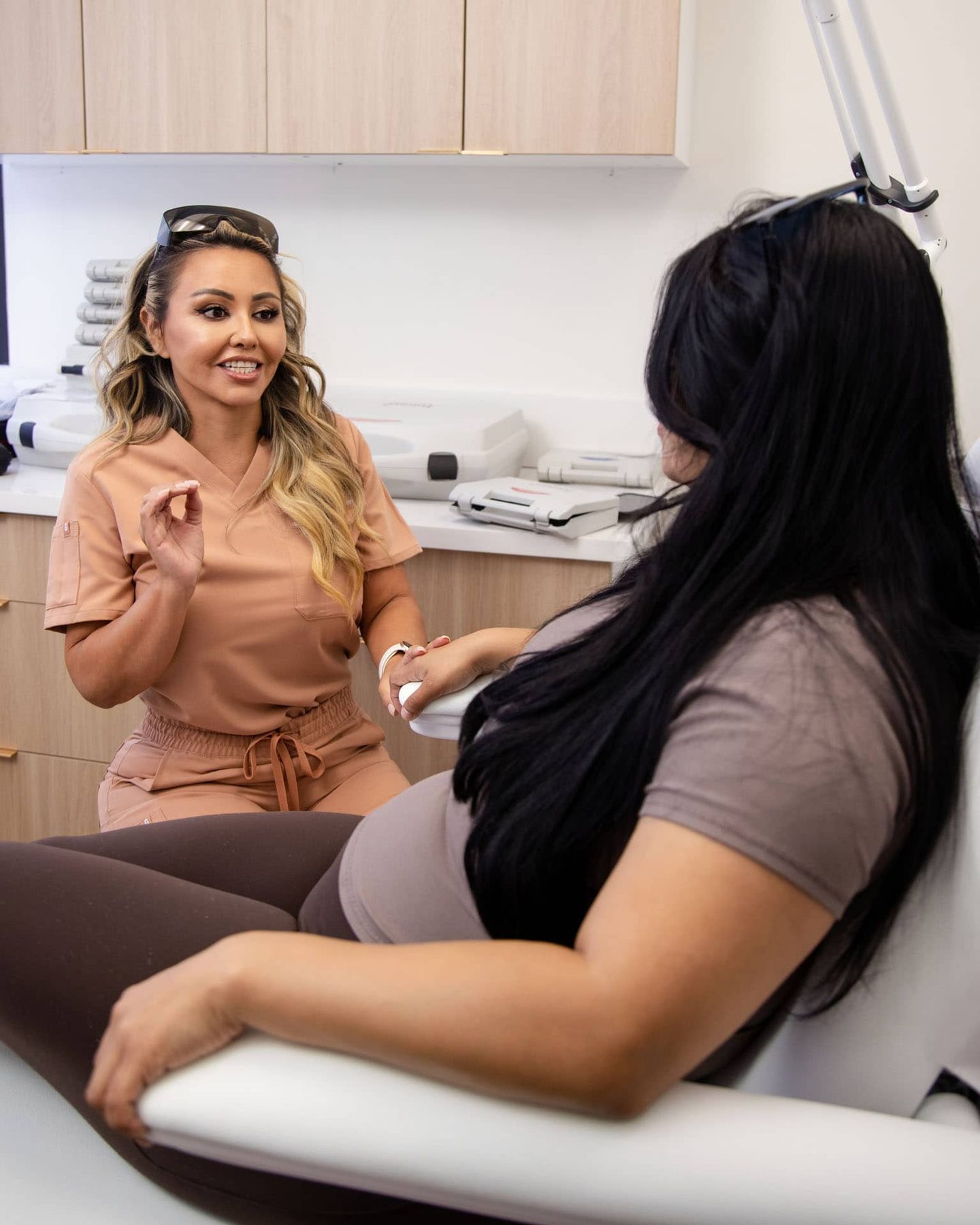
The consultation determines a lot. If the provider only talks about the device and not about your face, that is a red flag. A proper assessment should look at laxity, texture, pigment, redness, pore size, age-related volume loss, and your threshold for downtime.
It should also cover your skincare habits. Patients sometimes spend a significant amount on procedures while overlooking the obvious. If you continue unprotected sun exposure, smoke heavily, sleep poorly, and skip basic skin maintenance, any laser result will fade faster and perform below its potential.
A sound consultation often includes a frank conversation about what the treatment can improve most predictably. In many cases, that is not “lifting” in the dramatic sense but better texture, fresher tone, and modest tightening that makes the whole face look more coherent.
Aftercare makes more difference than people think
A treatment can be technically perfect and still underperform if aftercare is careless. Heat-treated skin needs gentle handling. The barrier can be temporarily compromised, and pigment pathways can be more reactive.
For the first few days, the focus is usually on hydration, bland skincare, and strict sun protection. Harsh actives are often paused briefly. Picking at rough patches is one of the easiest ways to prolong redness or create unnecessary marks. It sounds basic, but a surprising number of avoidable post-laser issues come down to overenthusiastic exfoliation and poor sunscreen use.
If a patient is prone to cold sores, prophylaxis may be considered depending on the treatment area and history. If melasma is a concern, preconditioning the skin and choosing conservative settings may matter more than the laser brand itself.
Practical signs the treatment is working
Patients often ask what they should look for in the mirror. The first signs are usually not dramatic. Makeup may sit more smoothly. The skin may feel a little tighter when washing the face. Pores may look less obvious in direct light. The cheek and mouth area may seem less crinkled when smiling. The jawline may photograph a touch cleaner.
These changes can be easy to miss day to day, which is why standardized photos help. Same lighting, same angle, same expression, ideally taken before the first session and several weeks after the last. Without that, gradual improvement tends to get mentally discounted.
One of the more interesting observations with treatments like Fotona 4D is that other people often notice the result before the patient identifies the exact change. They may say you look well-rested, less drawn, or healthier. That is often the hallmark of a good skin-quality treatment. It shifts the face in a favorable direction without broadcasting exactly why.
Cost versus value
Whether it is “worth it” depends on what you are comparing it to. If you expect a surgical-level lift, it is poor value because it cannot deliver that. If you are comparing it with repeated low-impact facials that never quite move the needle, it can be a much better investment. If your main issue is volume loss and you refuse filler, the value becomes murkier.
The most satisfied patients usually value three things: visible improvement without major downtime, natural-looking change, and better skin quality overall rather than a single-point correction. For them, the appeal is not just tighter skin. It is the combined effect of smoother texture, fresher tone, and subtle firming.
So, can it lift and brighten?
Yes, the Fotona 4D Laser Facial (TimeWalker) can lift and brighten skin, provided the goals are realistic and the treatment is matched to the right face. Brightening is generally the more immediate and reliable benefit. Lifting is usually subtler, slower, and best in mild to moderate laxity.
If your skin looks tired, slightly loose, textured, and less reflective than it used to, this treatment can make a meaningful difference. If your tissues have significantly descended or your main issue is lost facial volume, it is better viewed as one part of a broader plan rather than the whole answer.
That may sound less dramatic than the marketing promises, but it is actually the reason the treatment has staying power. Used well, on the right patient, it can produce the kind of improvement people often want most: fresher skin, better structure, and a face that looks more like itself on a good day.
OMNIA Wellness Center
Address: 16430 Ventura Blvd Ste 207, Encino, CA 91436
Phone: (818) 386-8511
FAQ About Fotona 4D Laser Facial (TimeWalker)
What are the benefits of Fotona laser treatment?
OMNIA offers this treatment for concerns such as uneven texture, dull tone, and fine lines. Results and the number of sessions vary, so discuss your goals with a provider.
Is Fotona laser safe?
A qualified provider should review your skin, medical history, medications, and recent sun exposure to determine whether the treatment is appropriate. Ask about possible irritation, pigment changes, and aftercare before booking.
How much does a Fotona 4D facelift cost?
Price depends on the treatment plan and number of visits. Ask OMNIA for an itemized estimate during your consultation.