Fotona 4D Laser Facial (TimeWalker): Benefits, Results, and Downtime
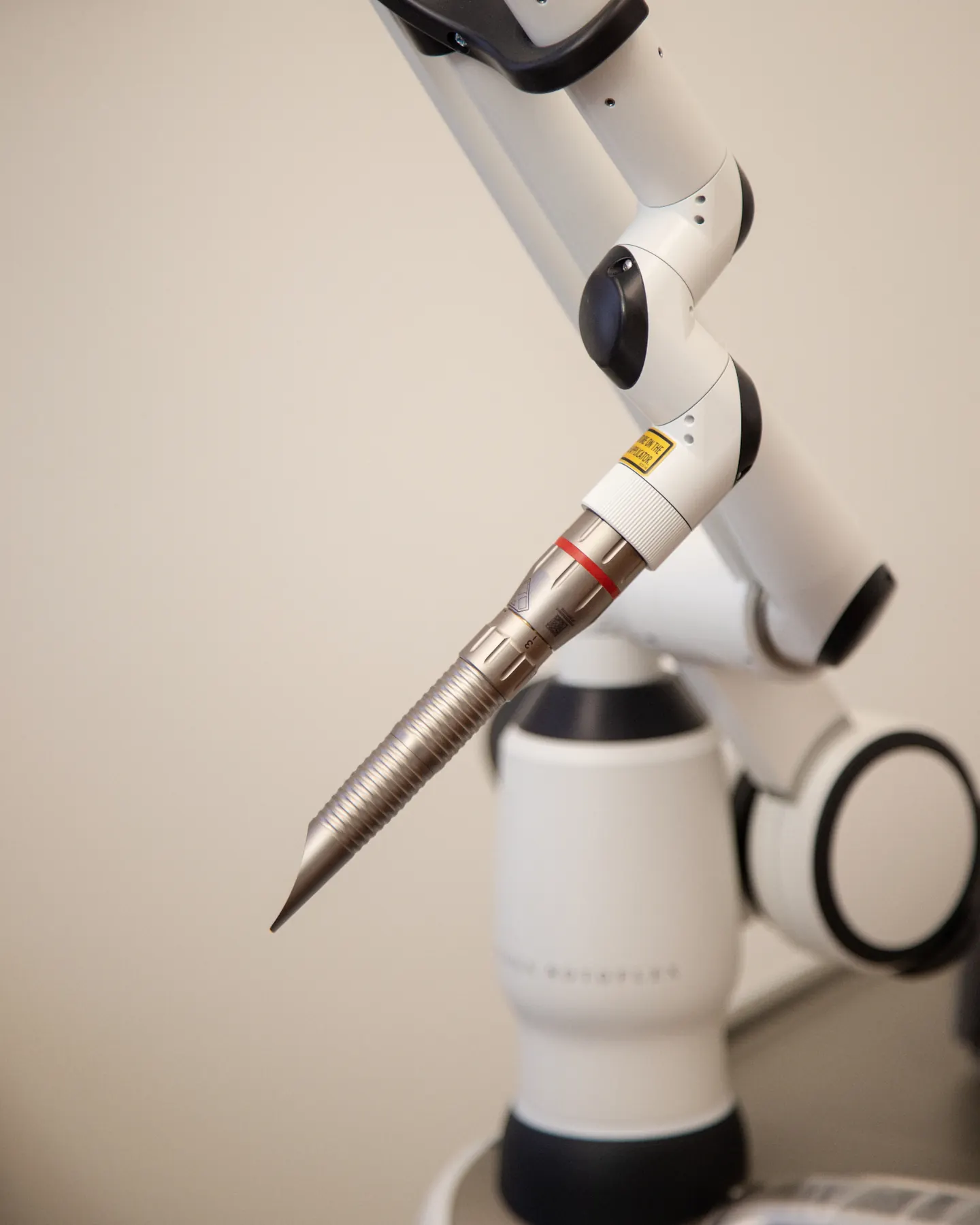
The first thing worth clearing up is the name. Many clinics use Fotona 4D Laser Facial (TimeWalker) to describe a non-surgical rejuvenation treatment built around Fotona’s Nd:YAG and Er:YAG laser platforms. Depending on the office, you may also hear it referred to simply as Fotona 4D, TimeWalker Fotona, or a TimeWalker facial protocol. The branding varies a little, but the concept is the same: this is a layered laser treatment designed to tighten, brighten, smooth, and refresh the face without the recovery time that comes with a deep ablative resurfacing procedure or surgery.
What makes it different from a standard “laser facial” is the way it approaches aging from multiple angles in one session. Instead of only treating the skin surface, it often combines intraoral tightening, deeper collagen stimulation, targeted resurfacing, and a final polishing pass. In practice, that means a provider can address texture, early laxity, fine lines, pore appearance, and overall skin quality in a single appointment. For the right patient, that is the appeal.
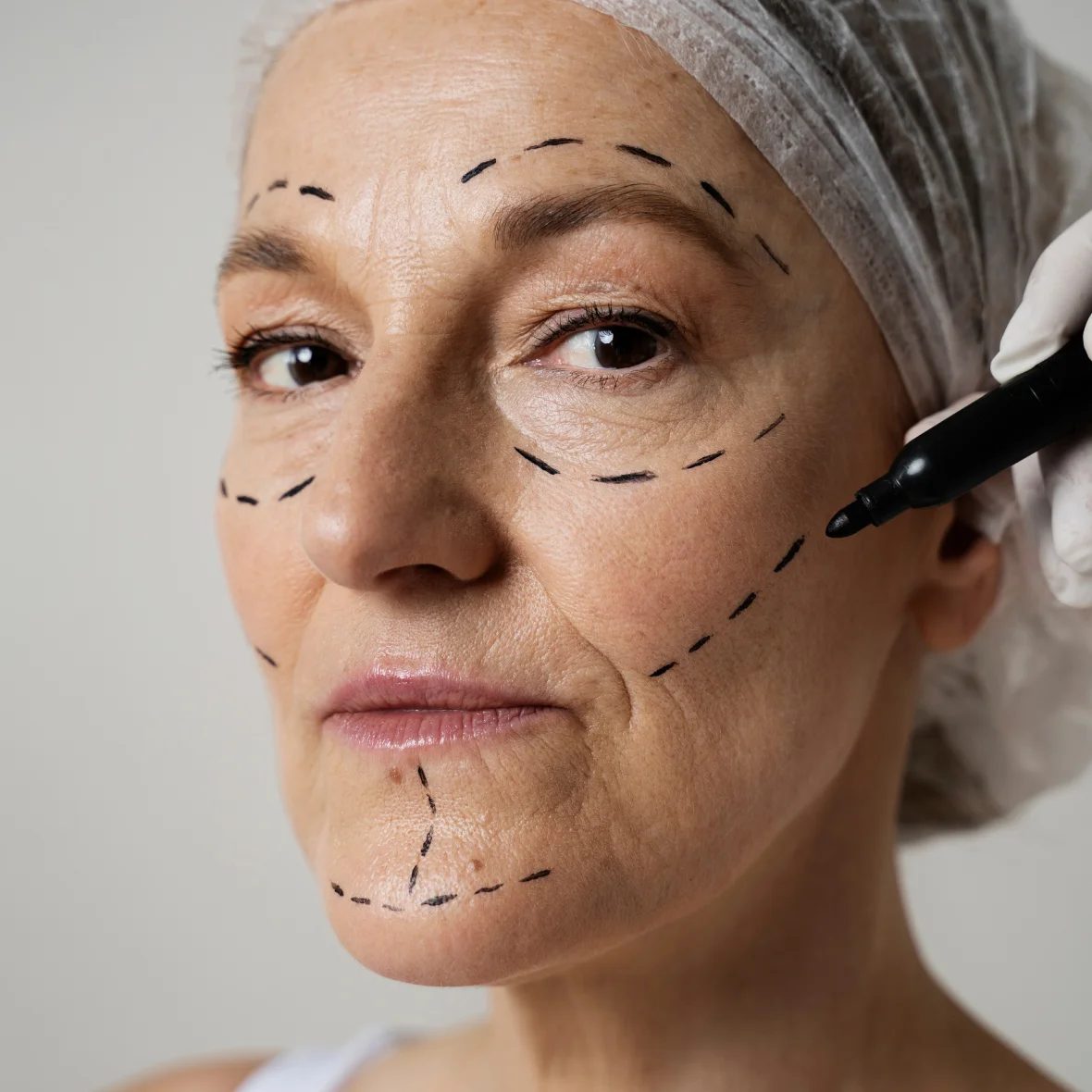
It also means expectations need to be realistic. This is not a facelift. It will not erase deep folds or produce the dramatic tissue repositioning that surgery can achieve. What it can do, when performed well and when chosen for the right person, is deliver a noticeable improvement in skin tone, mild to moderate laxity, and overall facial freshness with relatively manageable downtime.
What the Fotona 4D Laser Facial (TimeWalker) actually does
Most aesthetic treatments focus on one layer. A superficial peel works at the surface. A skin tightening device works deeper down. Fillers restore volume in specific areas. Fotona 4D became popular because it stacks several modes in a sequence that aims to improve the face three-dimensionally, and sometimes from inside the mouth outward.
The classic protocol often includes four stages, which is where the “4D” name comes from. Clinics may modify the settings based on skin type, goals, and tolerance, but the broad logic remains consistent.
The first stage is often an intraoral treatment, typically delivered inside the mouth along the cheeks and around the perioral region. This is one of the more unusual aspects of Fotona, and it matters because the laser energy is used to heat tissue from the inside, supporting collagen remodeling where nasolabial folds and marionette lines tend to become more pronounced. Patients are often surprised that this part is not as uncomfortable as they feared. It feels odd, warm, and sometimes intense, but usually tolerable with little or no numbing.
The second and third stages usually target deeper dermal tissue and selected surface concerns. The goal here is controlled heating, collagen stimulation, and improvement in texture or pigmentation depending on the exact parameters chosen. Finally, a light resurfacing or “polishing” pass can leave the skin looking brighter and smoother.
That layered approach is the reason people often describe the results as more “complete” than a single-mode treatment. The skin can look tighter, but also clearer. Lines can soften, but the overall finish of the complexion may improve too.
Why patients ask for it
In clinic settings, the same pattern comes up again and again. Patients are often not ready for surgery, and they do not want the social downtime of an aggressive CO2 laser. They still want a visible result. That is the gap this treatment tries to fill.
A woman in her early forties with mild cheek laxity, crepey lower eyelids, and lipstick lines may not need a facelift, but she may feel that injectables alone are no longer enough. A man in his fifties may not care about every fine line, but he wants his skin to look firmer and less tired on video calls. A patient who has done peels and microneedling for years may want something stronger, but still wants to be back at work in a day or two. Those are the situations where Fotona 4D often enters the conversation.
The best results usually come from matching the technology to the problem. Mild to moderate skin aging, dullness, fine wrinkling, enlarged pores, and early loss of firmness tend to respond better than heavy jowling or advanced sagging. This sounds obvious, but it is where many disappointments begin. If a patient expects surgical lifting from a non-surgical laser, the treatment has already been set up to fail.
The main benefits, and what they look like in real life
When clinics advertise laser rejuvenation, the word “benefits” can become vague very quickly. It helps to translate those claims into what a patient may actually notice in the mirror.
Skin tightening is one of the most sought-after effects. In real terms, this often looks like a slightly firmer jawline, less creasing around the mouth, and a smoother appearance through the midface. It is usually subtle after one treatment and more noticeable after a series. The skin tends to look less slack rather than dramatically lifted.
Texture improvement is often easier to appreciate. Rough areas can feel softer. Makeup may sit better on the skin. Fine crepiness, especially around the cheeks or mouth, can look less obvious under bright bathroom lighting, which is usually where people first spot facial aging anyway.
There is also the “glow” factor, which is a word that gets overused but is still useful here. After the initial redness settles, many patients notice that their complexion looks more even and reflective. The face can appear less dull. This matters because people often read healthy skin as youthful skin, even before they notice lines.
Fine lines around the lips and eyes may soften, though deep etched lines typically improve rather than disappear. Pores can appear smaller, partly because of mild tightening and partly because the skin surface becomes smoother. Acne scars, if present, may show some improvement, but this is not usually the first-line treatment if scarring is the main complaint. There are more targeted protocols for that.
One of the less talked about advantages is versatility. Providers can often adjust the intensity depending on whether the patient wants a “lunchtime” refresh with little social downtime or a stronger treatment with a few days of visible redness and roughness. That flexibility makes it easier to personalize than a one-size-fits-all facial laser session.
What a treatment session feels like
Experience varies by provider technique, settings, and the patient’s pain threshold. Most people tolerate it well, but it is not the same as a relaxing spa facial.
The intraoral portion feels warm and pressurized, with short bursts of heat. It can be awkward simply because the handpiece is inside the mouth, but it is usually quick. The external tightening passes often feel like repeated snaps of heat. The superficial resurfacing part can feel sharper, more like a hot prickling sensation. Some clinics use topical numbing, cold air, or both. Others reserve numbing for stronger sessions only.
A typical appointment may take anywhere from 45 minutes to about 90 minutes, depending on how comprehensive the protocol is and whether additional areas like the neck are included. Afterward, the skin is often pink to red and warm, similar to a moderate sunburn. If a resurfacing pass is performed more aggressively, the skin may feel dry, tight, and a bit rough over the next couple of days.
Patients who come in expecting a zero-sensation treatment are usually surprised. Patients who expect unbearable pain are usually relieved.
Results timeline: what shows up first, what takes longer
One reason this treatment gets strong word of mouth is that patients often see an early improvement in brightness and skin smoothness. That can happen within days once redness subsides. It is satisfying, but it is not the whole story.
The tightening phase takes longer. Collagen remodeling is gradual, so changes in firmness tend to develop over several weeks and often continue for two to three months after treatment. If a patient has a wedding in ten days, they may enjoy some glow and mild refinement by then, but the full benefit will still be unfolding afterward.
A single session can produce visible improvement in some people, especially those with mild aging changes. More commonly, providers recommend a series of three treatments spaced a few weeks apart. The exact interval depends on protocol, skin sensitivity, and how much resurfacing is being done each time.
Maintenance matters too. Skin continues to age, collagen continues to decline, and sun exposure can undo a lot of good work. Many patients who like their results return for one or two maintenance sessions per year, sometimes alongside injectables, skincare, or other energy-based treatments.
Downtime, realistically described
Downtime is the question nearly everyone asks, and it deserves a straight answer. The honest version is this: downtime is usually mild to moderate, but not nonexistent.
For a gentler session focused more on tightening and less on resurfacing, redness may settle within several hours to a day. Some patients go back to work the next morning with little more than a flushed look. Others stay pink for 48 hours. A little swelling, especially around the cheeks or under-eyes, is not unusual.
When the superficial polishing stage is turned up, recovery becomes more obvious. The skin can feel dry and rough, with a bronzed or sandpapery texture for two to four days. In stronger settings, micro-crusting or light flaking can appear. This is not usually dramatic in the way a deeper ablative laser can be, but it can be visible enough that social events need a bit of planning.
Patients often ask if they can wear makeup the next day. Sometimes yes, sometimes not immediately, depending on how much resurfacing was done and whether the skin is intact enough for it. Good clinics give precise aftercare instructions rather than generic advice.
A practical way to think about downtime is not “How many days until I look normal?” but “How many days until I feel comfortable being seen up close in daylight?” Fotona 4D Laser Facial (TimeWalker) For many patients, the answer is one to three days for a moderate treatment. For stronger sessions, it may be closer to three to five.
Who tends to be a good candidate
This treatment works best when there is something meaningful for it to improve, but not so much tissue laxity that surgery is the more appropriate tool. In everyday practice, the strongest candidates often share a few traits:
- Mild to moderate skin laxity, fine lines, uneven texture, or dullness
- Realistic expectations about non-surgical results
- Willingness to complete a series if recommended
- Consistent use of sun protection and skincare
- No active infection, uncontrolled rosacea flare, or recent contraindicated treatment
Skin type also matters. Fotona platforms can be adjusted for a range of skin tones, but settings need to be chosen carefully, especially in patients with higher melanin content or a history of post-inflammatory hyperpigmentation. This is one of the reasons provider experience matters far more than marketing language.
A consultation should cover medications, recent sun exposure, history of cold sores, acne activity, isotretinoin use, prior procedures, and scarring tendencies. Patients with melasma need thoughtful counseling because any heat-based treatment can potentially aggravate pigment if not handled properly.
Who should pause or look at other options
Not every concern is a Fotona concern. If a patient has significant jowling, heavy neck laxity, or advanced volume loss, this treatment may help the skin quality but still leave them underwhelmed overall. A lower face that needs structural repositioning will not be transformed by collagen stimulation alone.
Patients with very deep acne scarring may need a different laser strategy or combination treatment. Those with active inflammatory skin disease may do better by calming the skin first. People who want one dramatic treatment and no maintenance often do better when expectations are reframed before any laser touches their face.
Pregnancy policies vary by clinic, but many providers defer elective energy-based cosmetic procedures during pregnancy out of caution. If there is any active infection, broken skin, or significant sunburn, treatment should wait.
How it compares with other popular treatments
Compared with microneedling, Fotona 4D often offers a stronger tightening component and a broader multi-layer effect. Microneedling is excellent for texture and can stimulate collagen, especially when done in a series, but it does not feel or behave exactly the same. Patients who have “graduated” from microneedling often choose Fotona because they want more lift and more refinement in one session.
Compared with intense pulsed light, or IPL, Fotona 4D is less about red and brown pigment alone and more about overall rejuvenation. IPL is often better when broken capillaries and sun spots are the primary complaint. Fotona can brighten the skin, but that is not its only job.
Compared with a fractional CO2 laser, Fotona 4D is generally gentler in terms of downtime and risk, but also usually less dramatic in a single treatment. CO2 remains a stronger resurfacing option for significant wrinkling and texture issues, though it comes with a more demanding recovery. The right choice depends on how much change the patient wants, how quickly they need to recover, and what trade-offs they are willing to accept.
Compared with radiofrequency tightening devices, Fotona has the advantage of combining internal and external tissue treatment plus a resurfacing element. That said, some patients respond beautifully to radiofrequency, especially in the lower face, and treatment choice often comes down to anatomy, skin type, and provider expertise rather than a universal winner.
How long results last
This is one of those questions that sounds simple and is not. Results can last several months to a year or longer, but that range depends on age, skin quality, sun exposure, smoking history, hormones, weight fluctuations, and maintenance habits.
The glow and textural refinement may soften first. Tightening often persists longer, especially after a full series. Patients who start in their late thirties or early forties with good baseline skin tend to hold results better than those trying to reverse more advanced aging in their sixties. That is not a criticism, just the reality of tissue biology.
Maintenance skincare matters more than many people realize. Daily sunscreen, a retinoid if tolerated, antioxidants, and pigment control when needed can extend the visible payoff. Patients who tan frequently or neglect aftercare often feel that results “wore off” quickly, when in reality the skin was simply re-injured by UV exposure.
Risks and side effects worth discussing honestly
No energy-based treatment is risk free, even when marketed as gentle. Common short-term effects include redness, swelling, warmth, dryness, and a rough surface texture. These are expected and usually temporary.
Less common, but important, risks include prolonged erythema, acne flares, herpes simplex reactivation in patients prone to cold sores, post-inflammatory hyperpigmentation, and, rarely, burns or scarring if settings are inappropriate or aftercare is neglected. Eye protection is essential during any facial laser treatment. That sounds obvious, but details matter with lasers.
The best consultations include a discussion of both benefit and limitation. If a provider speaks as if every patient gets dramatic lifting with no downtime and no risk, that is a warning sign.
Aftercare that actually makes a difference
A lot of aftercare handouts say the same things, but a few basics really do affect outcome and comfort:
- Keep the skin cool, clean, and well moisturized for the first few days
- Avoid active skincare, including retinoids and acids, until the skin has settled
- Use broad-spectrum sunscreen diligently and avoid direct sun exposure
- Do not pick, scrub, or exfoliate flaking skin
- Follow any antiviral or specific instructions if you are prone to cold sores
Patients often make the same mistake after treatment: they feel roughness and try to exfoliate it away. That almost always backfires. Let the skin shed on its own timetable. Another common misstep is returning too quickly to gym heat, saunas, or steam rooms. A day or two of restraint is usually worth it.
If you are planning the treatment around an event, a conservative approach helps. Do not schedule your first Fotona 4D session the week of a wedding, reunion, professional photo shoot, or major presentation. Even when downtime is technically mild, your skin can be unpredictable the first time.
Cost and what influences the price
Pricing varies widely by region, provider credentials, and how much of the protocol is being performed. In many markets, a single session may range from several hundred dollars to well over a thousand. Series pricing is common, and some clinics bundle neck treatment or combine the facial with complementary services.
The cheaper option is not always the better value. Laser outcomes are strongly tied to judgment, settings, patient selection, and follow-up. A seasoned provider who understands how to tailor intensity for skin type and concern is often worth the premium. This is especially true for patients with darker skin tones, melasma history, or prior sensitivity to procedures.
It is also worth asking exactly what the quoted treatment includes. One clinic’s “Fotona 4D Laser Facial (TimeWalker)” may be a full four-step protocol. Another may use the name more loosely for a shorter or gentler session. Clarify the details, the expected downtime, and how many sessions are realistically recommended for your goals.
The role of provider skill
This treatment can be elegant in experienced hands and underwhelming in inexperienced ones. The machine matters, but technique matters more. Good providers read tissue response in real time. They know when to push and when to hold back. They understand that a patient with diffuse redness and fragile barrier function needs a different plan than someone with thick, oily, sun-damaged skin.
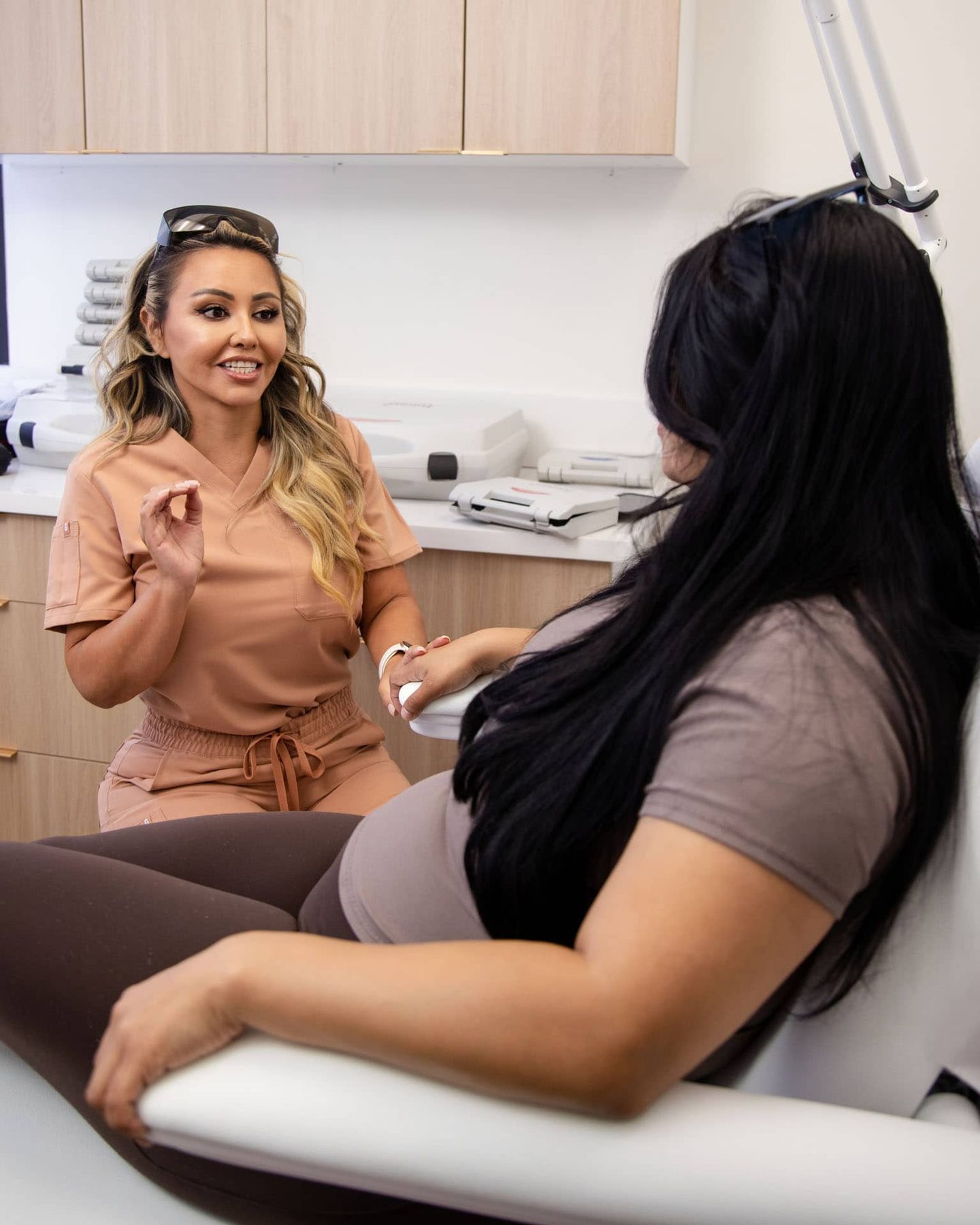
A strong consultation often includes standardized photos, a conversation about priorities, and a treatment plan that may or may not rely on laser alone. Sometimes the best advice a patient gets is that Fotona 4D should be combined with something else, such as neuromodulators for dynamic lines or pigment-focused treatment for sun spots. Sometimes the best advice is that surgery would better match the desired endpoint.
That kind of honesty usually predicts a better experience.
Is it worth it?
For the right patient, yes. The Fotona 4D Laser Facial (TimeWalker) has earned its place because it can produce visible, polished, natural-looking rejuvenation without the heavier recovery of more aggressive resurfacing or the commitment of surgery. It can improve texture, brightness, fine lines, and mild laxity in a way that feels additive rather than overdone.
Its biggest strengths are versatility and balance. It is not the most intense resurfacing treatment. It is not the strongest lifting device. It is not a substitute for volume restoration when volume loss is the main problem. But as a middle-ground option, especially for patients who want meaningful improvement with manageable downtime, it makes a lot of sense.
The key is matching the treatment to the face in front of you, not to the marketing copy. When that happens, results tend to look the way most patients want their work to look: fresher, smoother, firmer, and hard to pinpoint. That is often the sweet spot in aesthetic medicine.
OMNIA Wellness Center
Address: 16430 Ventura Blvd Ste 207, Encino, CA 91436
Phone: (818) 386-8511
FAQ About Fotona 4D Laser Facial (TimeWalker)
What are the benefits of Fotona laser treatment?
OMNIA offers this treatment for concerns such as uneven texture, dull tone, and fine lines. Results and the number of sessions vary, so discuss your goals with a provider.
Is Fotona laser safe?
A qualified provider should review your skin, medical history, medications, and recent sun exposure to determine whether the treatment is appropriate. Ask about possible irritation, pigment changes, and aftercare before booking.
How much does a Fotona 4D facelift cost?
Price depends on the treatment plan and number of visits. Ask OMNIA for an itemized estimate during your consultation.