Fotona 4D Laser Facial (TimeWalker) for Visible Rejuvenation
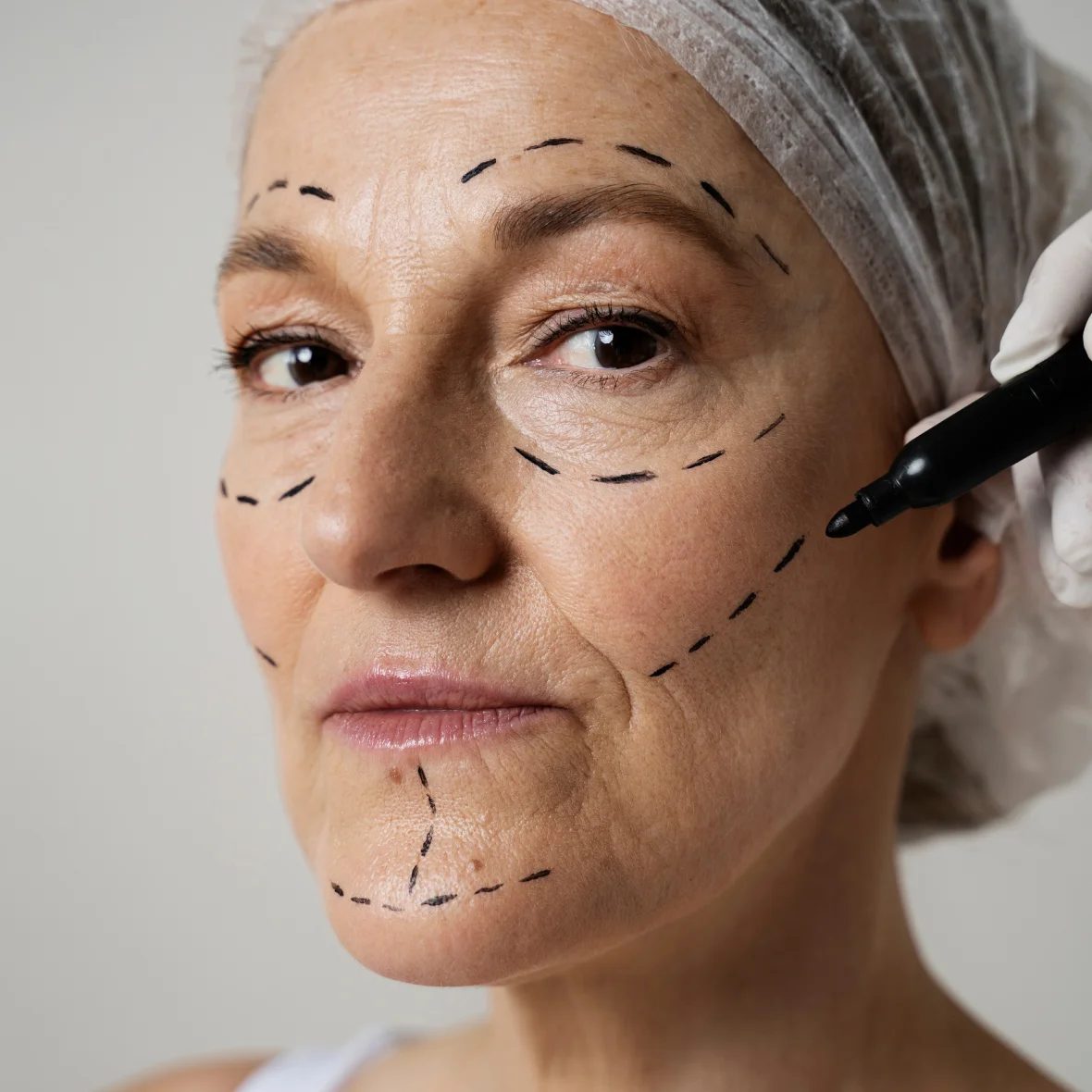
Interest in non-surgical facial rejuvenation has changed in a practical way over the last several years. People are not only asking whether a treatment can smooth skin or tighten the jawline. They want to know how it fits into real life, how long the redness lasts, whether makeup can cover it the next day, and whether the result looks refreshed rather than obviously treated. The Fotona 4D Laser Facial (TimeWalker) sits in that conversation for a reason. It offers a layered approach to rejuvenation that targets texture, tone, laxity, and superficial lines without injectables or surgery.
What makes it stand out is not a single dramatic trick. It is the fact that it combines multiple laser modes in one session, treating both the inside of the mouth and the outer skin. That combination sounds unusual the first time you hear it, but clinically it makes sense. Aging does not show up in one layer alone. Skin quality changes, collagen support weakens, pores become more visible, the midface loses firmness, and the lower face starts to soften. A treatment that addresses several of those changes at once often produces a more balanced result than one that focuses only on the surface.
The TimeWalker platform from Fotona has become a recognizable name in practices that favor device-based rejuvenation. For the right patient, it can be an elegant middle ground between a mild facial and a more aggressive resurfacing procedure. For the wrong patient, or for someone with unrealistic expectations, it can disappoint. That nuance matters.
What the treatment actually is
Fotona 4D is a multi-step laser protocol built on the idea that visible rejuvenation works best when support is created from within and refinement is delivered from the outside. The treatment uses two laser wavelengths common to the Fotona system, Er:YAG and Nd:YAG, in a sequence designed to improve oral mucosal tightening, dermal stimulation, skin tightening, and light resurfacing.
Most providers describe the treatment in four dimensions or four steps. The first stage is an intraoral pass, performed inside the mouth, usually along the cheeks and perioral region. The goal here is to create controlled heating that stimulates collagen in tissue that supports the lower face and nasolabial area. Patients are often surprised that an internal treatment can have an external cosmetic effect, but if you think about how much facial shape depends on underlying support, the concept is straightforward.
The second and third stages usually focus on deeper heating and tightening from the outside. These passes often target the cheeks, jawline, and full face, encouraging collagen remodeling and subtle contraction of tissue. The final stage tends to be a superficial polish, using a gentler resurfacing technique to improve texture, luminosity, and fine lines. Depending on the provider and the specific TimeWalker settings, the sequence may be customized, but the core idea remains the same: build support, tighten, then refine.
That layered strategy explains why some patients say their skin looks better in more than one way after treatment. It is not just that one wrinkle Fotona 4D Laser Facial (TimeWalker) softens. The face may appear slightly firmer, the skin texture more even, and the overall finish smoother. Those cumulative changes tend to read as healthier and more rested.
Why the TimeWalker approach feels different from a standard laser facial
A standard “laser facial” can mean almost anything in a cosmetic practice. Sometimes it refers to a light resurfacing treatment with minimal downtime. Sometimes it means a non-ablative collagen-stimulating session with little visible peeling. The Fotona 4D Laser Facial (TimeWalker) tends to be more structured than that. It is not simply a glow treatment before an event, though it can improve brightness. It is designed as a rejuvenation protocol.
That distinction matters because expectation shapes satisfaction. If a patient arrives hoping for facelift-level lifting after one session, no laser facial is likely to deliver that. If the goal is visible but natural improvement in fine lines, texture, crepiness around the mouth, mild laxity, and general skin freshness, this treatment can fit well.
Another difference is how the results evolve. Some energy-based treatments give an almost immediate tightening effect, largely from tissue contraction and mild swelling, then settle before longer-term collagen remodeling appears. Fotona 4D often behaves that way. There can be an early “you look rested” period within days, followed by a slower improvement over the next several weeks or months. In experienced hands, this timeline is usually explained clearly before treatment, because patients who understand the collagen cycle are less likely to judge the outcome too soon.
Who tends to benefit most
The best candidates are usually people with early to moderate signs of facial aging who want more than a spa facial can offer, but less downtime than aggressive resurfacing or surgery. In practice, that often includes women and men in their thirties through sixties, though age is less important than skin quality, laxity level, and goals.
A person with mild jowling, softening around the nasolabial folds, lipstick lines beginning to etch in, and a generally tired skin surface may see meaningful improvement. Someone with advanced skin laxity, heavy lower-face descent, or deep static folds may still benefit, but should understand that laser-based rejuvenation can only tighten so much. In those cases, the treatment may be best used as part of a broader plan rather than as a standalone answer.
The treatment is often worth discussing if you relate to any of these patterns:
- Your skin feels looser than it used to, especially around the mouth, cheeks, or jawline.
- Fine lines and texture bother you more than deep folds.
- You want visible improvement without injectables or surgery.
- You can tolerate a few days of redness or roughness, but not a long recovery.
- You prefer results that look gradual and believable rather than abrupt.
Skin type also matters. Laser protocols can be adapted, but not every device or setting suits every complexion equally. A careful practitioner will assess pigment risk, recent sun exposure, active acne, melasma history, medication use, and tendency toward post-inflammatory hyperpigmentation. This is not the glamorous part of a consultation, but it is the part that prevents avoidable problems.
What a session feels like from the patient chair
The treatment experience is more comfortable than many people expect, but it is not the same as lying under a hydrating mask. Most clinics begin with photos, skin cleansing, and a topical numbing step if they use one for the superficial stages. Eye protection is placed, and the provider talks through the sequence before starting.
The intraoral stage is unusual but usually tolerable. Patients often describe it as warmth inside the cheeks rather than pain. It can feel odd because the handpiece is working in an area not commonly treated in aesthetics, but it is usually brief. The external tightening passes tend to feel hot in pulses, especially along bonier areas or where the skin is thinner. The final resurfacing stage can create a prickly, sandblasted sensation. Comfort varies with settings, patient sensitivity, and whether the provider is aiming for a very light refresh or a more assertive result.
A full appointment commonly runs somewhere around 45 to 90 minutes depending on the treatment area and customization. You leave looking pink to red, often with a bit of puffiness, especially if the provider has treated aggressively around the mouth or cheeks. Some patients feel heat for a few hours afterward, similar to a strong sun exposure. By the next day, many look presentable with skincare and possibly tinted sunscreen, though that depends on intensity.
I have seen the biggest satisfaction gap not from discomfort, but from mismatched expectations about immediate appearance. If someone assumes they will walk straight into a dinner event that evening with no visible redness, they may be frustrated. If they understand they might look flushed for a day or two and a little rough for several days after that, they generally do well.
Downtime, healing, and the real recovery window
“Minimal downtime” is one of those phrases that sounds useful until you realize how elastic it is. For one patient, minimal downtime means being able to work from home the next day. For another, it means looking polished enough for in-person meetings. Fotona 4D usually sits in the mild to moderate downtime category, depending on treatment strength.
After a lighter session, redness may fade within 24 to 48 hours. The skin can feel dry, tight, or slightly gritty as it heals. After a stronger resurfacing component, you may see bronzing, rough texture, or fine flaking for several days. This is not usually dramatic peeling like an old-school aggressive laser, but it is visible if you are examining your skin up close. Around the mouth, where movement is constant, dryness can feel more pronounced.
Swelling is usually mild. It is more common in patients prone to fluid retention, those treated more intensively, or those who had a lot of attention to the lower face and perioral zone. Makeup timing depends on the provider’s advice and the exact settings used. Some patients resume makeup the next day, while others are told to wait a bit longer to avoid irritation.
What helps most during recovery is not a shelf full of trendy products. It is restraint. A bland moisturizer, sun protection, and a temporary pause on retinoids, acids, scrubs, and other active ingredients usually serve the skin better than a complicated routine.
The results people notice first, and the ones that take longer
Visible rejuvenation after Fotona 4D tends to happen in layers, much like the treatment itself. The first changes are often brightness and surface smoothness. Skin may look a little tighter within the first week, partly from early tissue response. Pores may look less obvious, and makeup can sit more evenly.
The structural changes take longer. Collagen remodeling is not an overnight event. In many patients, the fuller effect develops over six to twelve weeks, and sometimes continues to improve beyond that. This is where patience matters. If you judge the treatment on day three, you are mostly judging redness and swelling. If you assess at two to three months, you get a truer read on tightening and refinement.
The result is usually best described as polished rather than transformed. Fine lines around the mouth may soften. The skin can look firmer along the lower cheek. The face may reflect light better because the surface is more even. If the treatment plan includes a series, these gains often build.
How many sessions are needed depends on the starting point. Some people are happy after one treatment before a big season or event. Others benefit more from a course of two to four sessions spaced several weeks apart, followed by maintenance once or twice a year. The provider’s recommendation should reflect your degree of laxity, your texture concerns, and how aggressive the settings can safely be for your skin.
Where it shines, and where it does not
The strongest outcomes tend to show up in patients with mild to moderate aging who still have reasonable skin elasticity. The treatment is especially appealing for those bothered by the area around the mouth, early jowling, dullness, and superficial textural changes. It can also be useful for people who are “injectable curious” but not ready to commit to filler or neuromodulators.
Where it struggles is severe laxity and volume loss. If a face has lost significant fat support, if folds are deeply anchored, or if the neck has substantial sagging, laser energy alone will not recreate what is no longer there. It may improve skin quality, but it will not replace volume or produce surgical lift. In those cases, the best practitioners say so plainly. That honesty is a good sign.
Pigment concerns deserve separate mention. If hyperpigmentation, melasma, or uneven tone is the primary issue, Fotona 4D may still be part of the strategy, but it may not be the first move. Some patients need pigment stabilization, careful skin preparation, or an entirely different energy approach. This is where choosing a provider with range matters. You want someone who can recommend the best treatment, not simply the treatment they happen to own.
Comparing it with other rejuvenation options
Patients often ask whether Fotona 4D is “better” than microneedling radiofrequency, fractional lasers, ultrasound lifting, or peels. That question rarely has a simple yes or no answer because each technology answers a slightly different problem.
Microneedling radiofrequency can be very effective for texture, acne scars, and moderate tightening, especially when depth control is important. Fractional ablative lasers may produce stronger resurfacing for etched lines and rough texture, but usually with more downtime. Ultrasound-based lifting can target deeper support structures, though some patients find it less satisfying for surface refinement. Chemical peels are useful for brightness and certain pigment patterns, but they do not create the same collagen-stimulating architecture as a multi-mode laser protocol.
The advantage of Fotona 4D is balance. It offers a thoughtful middle path for someone who wants multiple concerns addressed in one appointment, with recovery that is real but usually manageable. Its trade-off is that the result is nuanced. It rewards patients who appreciate cumulative improvement rather than one dramatic reveal.
The consultation questions worth asking
A good consultation for this treatment should feel specific, not generic. The provider should assess your skin, your laxity pattern, your medical history, and your timeline. They should explain what they plan to treat and, just as important, what they do not expect to improve much.
These questions often separate a careful practice from a sales-driven one:
- Which concerns on my face are most likely to respond well to Fotona 4D?
- How many sessions do you realistically expect I will need?
- What will I look like on day one, day three, and day seven?
- What settings or intensity are you planning, and why?
- What risks matter most for my skin tone and medical history?
If the answers are vague, overly optimistic, or dismissive of downtime, keep looking. Experienced laser providers rarely speak in absolutes. They speak in likely ranges, trade-offs, and plans.
Aftercare that protects the result
Aftercare is not glamorous, but it influences outcome more than many people realize. Freshly treated skin is more vulnerable to irritation, heat, and ultraviolet exposure. A patient who returns to intense exercise, hot yoga, steam rooms, exfoliating pads, and direct sun too quickly often prolongs redness and compromises comfort.
Most sensible aftercare plans emphasize a short list of fundamentals:
- Keep the skin cool, clean, and moisturized for the first several days.
- Use broad-spectrum sun protection diligently, even on cloudy days.
- Pause retinoids, exfoliating acids, and scrubs until the skin barrier feels fully calm.
- Avoid excessive heat, hard workouts, and saunas for the period your provider recommends.
- Do not pick at rough or flaking skin, even if it is tempting.
This is one place where discipline pays off. The patients who heal best are rarely the ones using the most products. They are usually the ones who leave the skin alone.
Cost, value, and the question patients are really asking
The price of a Fotona 4D Laser Facial (TimeWalker) varies widely by geography, provider expertise, clinic setting, and whether the treatment is sold as a single session or a series. Because of that variability, it is more honest to talk about value than a universal number.
The treatment tends to make the most financial sense for someone who wants to target several concerns at once and prefers device-based rejuvenation over stacking multiple lighter treatments. If a patient would otherwise book a tightening session, a light resurfacing session, and a separate skin-polishing treatment, a combined protocol may be efficient. On the other hand, if the real issue is isolated pigment, isolated volume loss, or severe laxity, spending on this treatment first may not be the best use of budget.
The deeper question behind cost is usually this: will I see enough change for it to feel worthwhile? For the right candidate, often yes. Not because the face looks different in a startling way, but because the skin starts behaving more like younger skin. It reflects light better. It creases less easily. It holds a fresher look between treatments. Those subtle shifts have value that a mirror catches before a stranger does.
The bottom line for someone considering it
Fotona 4D works best when it is chosen for the right reasons. It is a sophisticated non-surgical option for visible rejuvenation, especially when the goal is improvement across several dimensions of aging rather than a single issue. It can tighten mildly, smooth gently, brighten visibly, and refine the lower face in a way that often reads as natural.
It is not magic. It will not erase major sagging, replace lost facial volume, or mimic surgery. It does, however, occupy an important middle ground that many patients are actively looking for. They want treatment with substance, but not a long social recovery. They want visible change, but not an altered identity. They want their skin to look rested, cleaner, firmer, and more expensive, if you can put it that way.
When a provider evaluates candidacy honestly, customizes the settings carefully, and explains the healing process without sugarcoating it, the Fotona 4D Laser Facial (TimeWalker) can be one of the more versatile rejuvenation treatments in the non-surgical category. For patients with sensible expectations and a little patience, it often earns its place not because it shouts, but because it improves the face in several small, credible ways that add up.
OMNIA Wellness Center
Address: 16430 Ventura Blvd Ste 207, Encino, CA 91436
Phone: (818) 386-8511
FAQ About Fotona 4D Laser Facial (TimeWalker)
What are the benefits of Fotona laser treatment?
OMNIA offers this treatment for concerns such as uneven texture, dull tone, and fine lines. Results and the number of sessions vary, so discuss your goals with a provider.
Is Fotona laser safe?
A qualified provider should review your skin, medical history, medications, and recent sun exposure to determine whether the treatment is appropriate. Ask about possible irritation, pigment changes, and aftercare before booking.
How much does a Fotona 4D facelift cost?
Price depends on the treatment plan and number of visits. Ask OMNIA for an itemized estimate during your consultation.