How Fotona Laser Treatments in Encino, CA Are Changing Non-Invasive Care
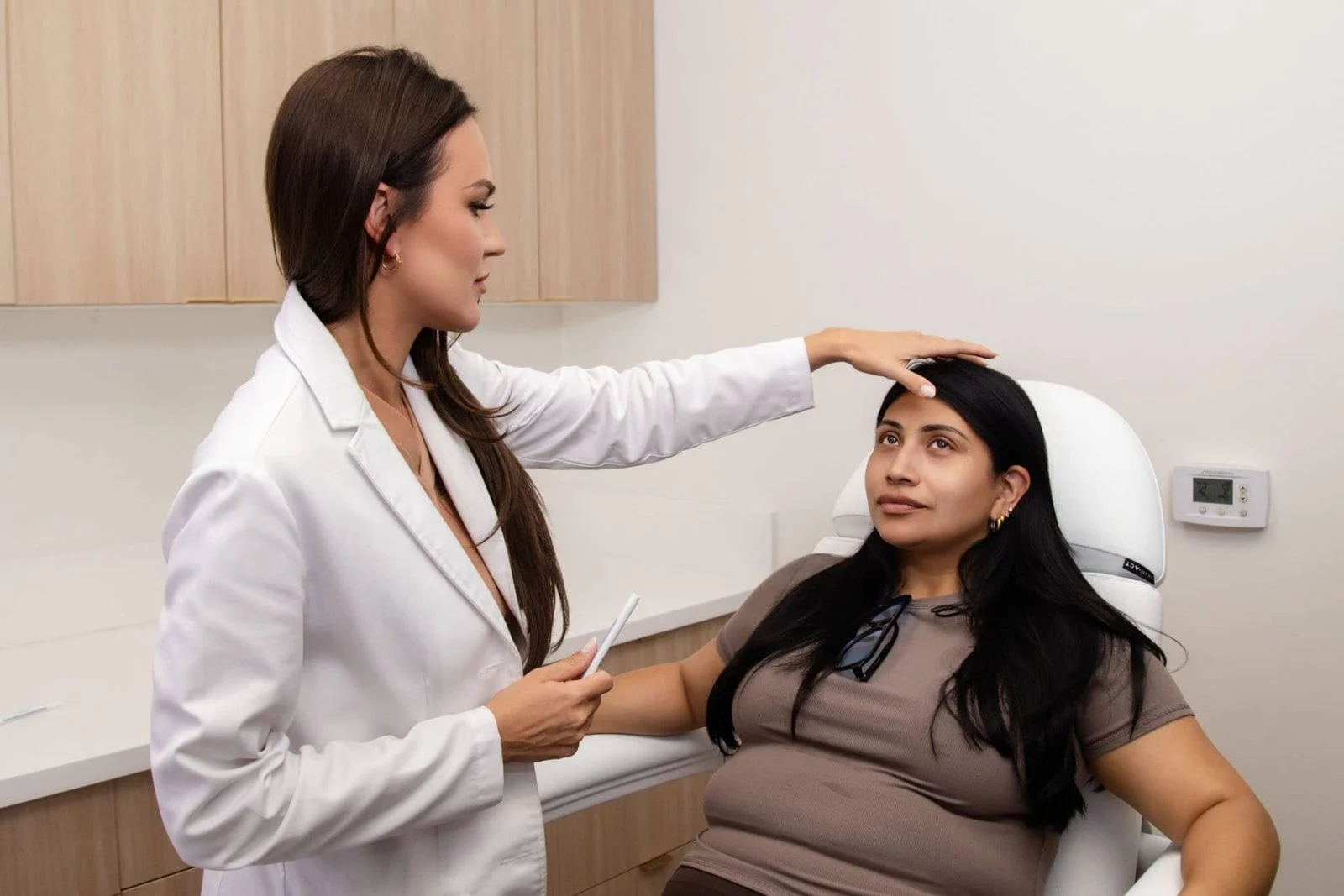
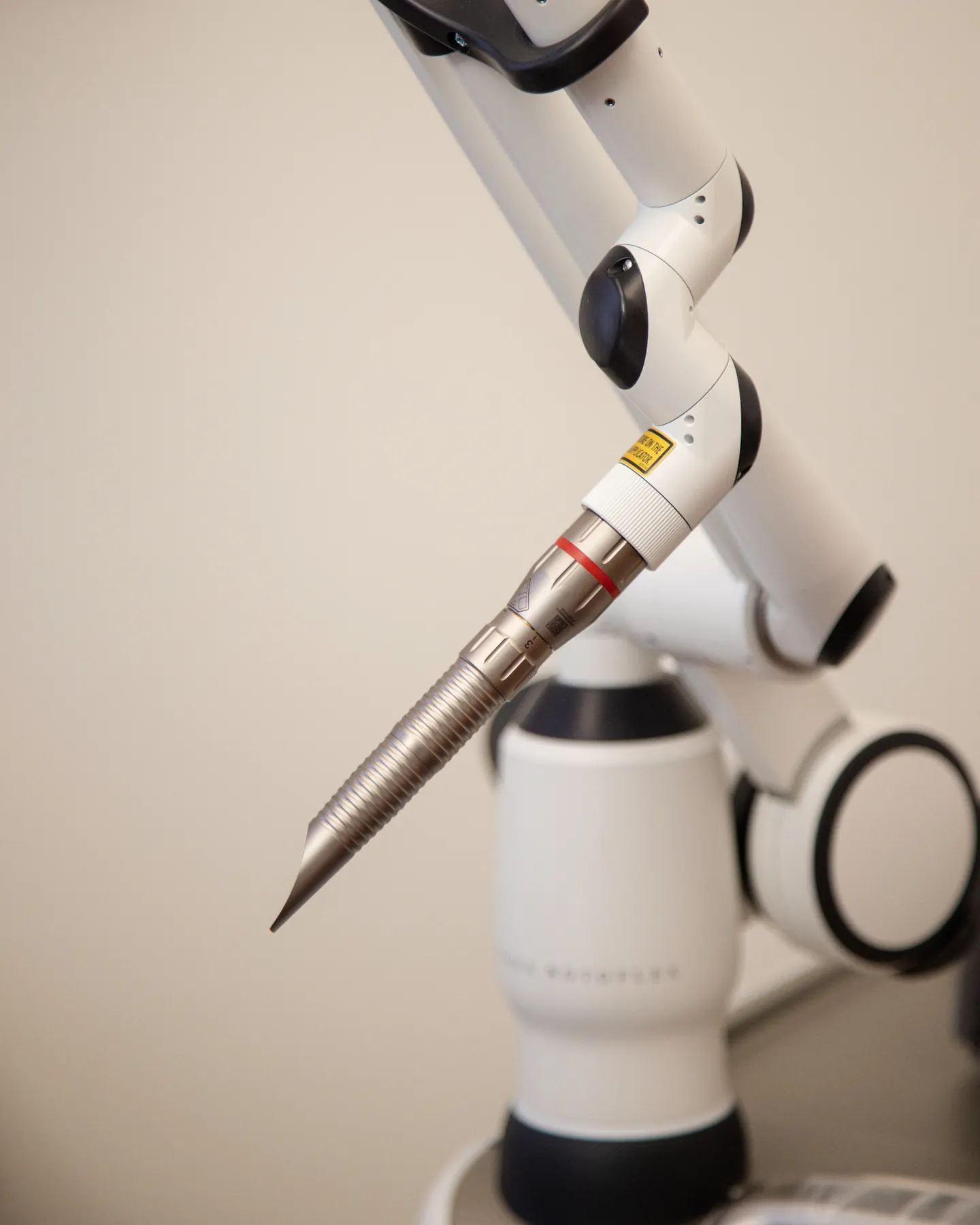
Non-invasive treatment has changed dramatically over the past decade, but not every advance deserves the attention it gets. Some technologies arrive with bold promises and very little staying power. Others quietly become staples because they solve practical problems for both patients and providers. Fotona belongs in the second category.
In Encino, where patients tend to be informed, schedule-conscious, and selective about what they put their time and money into, Fotona laser treatments have earned a serious place in aesthetic and functional care. The reason is not hype. It is versatility, precision, and a treatment experience that often fits real life better than surgery or more aggressive resurfacing. For many people, that matters as much as the result itself.
What makes this technology especially relevant is that it is not limited to one narrow use. A well-trained provider can use Fotona systems for skin rejuvenation, tightening, acne scar revision, pigment concerns, vascular issues, snoring support, and certain gynecologic wellness applications, depending on the platform and protocols offered in the practice. That range changes the conversation in the treatment room. Patients who once assumed they had to choose between doing nothing and committing to surgery now have a meaningful middle ground.
Why patients are looking beyond traditional cosmetic procedures
There is a clear shift in what patients want from elective care. A few years ago, many people came in asking for a dramatic, one-time transformation. Now the request is often more refined. They want to look fresher, tighter, and healthier, but they do not want to look altered. They want downtime measured in hours or days, not weeks. They also want options that can be adjusted over time rather than a one-way decision.
That demand has only grown in communities like Encino. People are balancing careers, family responsibilities, social visibility, and exercise routines. They do not always have room in their calendar for a deep peel, a prolonged recovery, or the swelling that follows more invasive work. At the same time, they are often sophisticated enough to recognize when a treatment is all marketing and no substance.
This is where Fotona laser treatments in Encino, CA stand out. They allow providers to treat different layers of tissue with a level of control that can be difficult to match with simpler energy devices. That control matters because the skin is not a flat surface and aging is not a single problem. Texture, tone, laxity, vascularity, scarring, and volume loss all behave differently. A treatment platform that can be adapted to those variables gives clinicians more room to personalize care.
What Fotona actually is, and why its design matters
Fotona is best known for laser systems that commonly use erbium:YAG and Nd:YAG wavelengths, either separately or in combination, depending on the device and indication. That technical detail may sound abstract, but it is central to why the treatments have become so useful.
The erbium wavelength is often favored for precise skin resurfacing because it can target water in tissue with a high degree of control. That makes it useful when the goal is improving fine lines, rough texture, superficial sun damage, and certain scars. The Nd:YAG wavelength penetrates differently and is often used for deeper heating, vascular treatments, collagen remodeling, and tightening applications. When both are available, providers can approach a concern from more than one angle.
For a patient, this usually translates into choice. One person may need a gentler protocol with very little downtime before a major event. Another may accept a few recovery days in exchange for more aggressive resurfacing. A third may not be interested in facial aesthetics at all and instead want help with snoring or intimate wellness concerns. The platform allows those conversations to be much more nuanced than a single-purpose device would.
That flexibility is one reason experienced practices have invested in it. A machine that can do only one thing tends to create one kind of recommendation. A system with broader capabilities allows treatment plans to be shaped around the patient rather than the hardware.
The appeal of “natural-looking” is not just a trend
Many aesthetic patients say they want natural results, but the phrase can mean very different things. Sometimes it means subtle improvement. Sometimes it means preserving movement. Often it means not looking treated at all.
Fotona fits that preference well because many of its protocols are designed to stimulate the body’s own remodeling processes rather than replace structure outright. Laser energy can encourage collagen production, improve circulation, refine damaged surface layers, and create gradual tightening. That does not mean it replaces fillers, neuromodulators, or surgery in every case. It does mean there is a sizable group of patients who can benefit without changing the architecture of their face.
In practice, this is especially valuable for patients in their thirties, forties, and fifties who are starting to notice looseness around the eyes, early jawline softening, crepey texture, or acne scarring that makeup no longer disguises as well as it once did. These are not always surgical problems. They are often cumulative quality-of-skin problems, and laser-based care is frequently the more logical answer.
The same principle applies to younger patients dealing with post-acne texture or enlarged pores. They may not need a dramatic intervention. They need a treatment that improves skin behavior and appearance without placing them out of work for a week.
Where Fotona is making the biggest difference in Encino practices
One of the most meaningful changes has been the move away from one-size-fits-all resurfacing. In the past, patients were often offered either a very light treatment with modest results or a much stronger one with significant downtime. Fotona has helped fill the space in between.
For facial rejuvenation, many practices use it to improve laxity, brightness, fine lines, and overall skin quality in a staged, layered way. A provider might combine intraoral tightening for the lower face, external collagen stimulation, and superficial polishing in one treatment sequence or across several sessions. That kind of planning can create results that are gradual but convincing.
Acne scars are another area where the technology has changed expectations. Scar revision is rarely simple. Ice pick scars, boxcar scars, and rolling scars respond differently, and many patients have a mix of all three. A flexible laser platform allows a provider to choose more targeted approaches instead of treating every scar pattern the same way. While no responsible clinician will promise total scar erasure, improvement can be meaningful when treatment is selected carefully and repeated over time.
Pigmentation and redness can also be addressed in certain cases, though this requires judgment. Not every brown spot should be chased with laser, and not every redness pattern responds equally well. Skin type, sun exposure, melasma history, and inflammation risk all matter. The best providers in Encino know this and tend to position Fotona as part of a strategy, not a magic wand.
Then there are the less-publicized uses that matter deeply to patients. Laser-assisted support for snoring has drawn attention because it offers a non-surgical option for a very common quality-of-life problem. Gynecologic applications have also expanded the conversation around non-invasive care, particularly for women who want treatment options that do not involve surgery or long recovery. These areas deserve thoughtful screening and realistic counseling, but they show how much broader laser medicine has become.
Downtime, discomfort, and the reality patients should expect
One of the reasons patients gravitate toward Fotona is the possibility of meaningful results without the kind of recovery associated with surgery or aggressive ablative procedures. Still, “non-invasive” does not mean effortless, and this is where clear counseling matters.
Some Fotona treatments feel warm and mildly prickly. Others can be more intense, especially when resurfacing is involved. Topical numbing is common, and in many cases it is enough. After treatment, patients might look flushed, feel heat in the skin, or notice mild swelling. Depending on the protocol, there may be dryness, bronzing, a sandpaper-like texture, or several days of visible healing.
This range is important because patients often compare lasers unfairly. A gentle tightening session and a more robust resurfacing treatment should not be measured by the same recovery standard. If a provider suggests a stronger setting because your scarring is significant or your texture issues run deep, that recommendation may be reasonable. What matters is whether the expected downtime matches the intensity of the treatment and whether that trade-off is explained honestly.
Patients who do best are usually the ones who plan ahead. They avoid sun exposure before and after treatment, adjust active skin care ingredients when instructed, and understand that a series may be required. They also recognize that the result often unfolds over weeks as collagen remodeling progresses. That delayed payoff can actually be an advantage for patients who want subtle, believable change.
Why provider skill matters more than the machine itself
This is where experienced patients ask the right question. They do not only ask, “Do you have Fotona?” They ask, “How do you use it, for whom, and what are your limits?”
A sophisticated device in unskilled hands can produce mediocre results or unnecessary complications. A strong provider understands not only settings and wavelengths, but tissue response, skin types, contraindications, healing patterns, and when not to treat. This is especially important in a diverse area like Los Angeles County, where practices regularly see a wide range of skin tones and concern profiles.
A few signs usually separate a careful consultation from a sales-driven one:
- The provider examines skin quality, history, medications, and sun habits before recommending a plan.
- They explain what the treatment can improve, what it cannot, and whether alternatives may be better.
- They discuss the expected number of sessions rather than implying one visit solves everything.
- They address downtime and aftercare in plain language.
- They show judgment around melasma, active acne, recent isotretinoin use, or a tendency toward post-inflammatory pigmentation.
That kind of screening is not glamorous, but it is what keeps outcomes safer and more consistent.
How Fotona compares with other non-invasive options
Patients often ask how Fotona differs from radiofrequency microneedling, IPL, fractional lasers, ultrasound tightening, or CO2 resurfacing. The honest answer is that it depends on the concern.
If someone has significant volume loss in the midface, laser tightening will not replace filler or surgery. If they have severe lower face heaviness or neck banding, a non-invasive option may help only modestly. On the other hand, if the main issue is skin crepiness, early laxity, post-acne textural change, or an overall “tired” look caused by dull, aging skin, Fotona may be a very strong fit.
Compared with more aggressive resurfacing, Fotona protocols can often offer a more customizable balance between result and downtime. Compared with devices that focus mainly on deep heating, Fotona may give the provider more ability to address surface and subsurface concerns within the same treatment plan. Compared with light-based systems that primarily target pigment or redness, Fotona can expand the conversation into tightening and texture.
None of that means it is automatically the best choice. Some patients truly do better with microneedling, vascular laser, surgery, or injectable treatment. The point is that Fotona has become influential because it broadens the middle category of care. It gives practices another way to build plans for patients who want substantial improvement without crossing into a fully invasive procedure.
The importance of treatment sequencing
One of the more underestimated aspects of good aesthetic medicine is sequencing. People tend to think in terms of single appointments, but durable outcomes usually come from order and timing.
For example, if a patient in Encino presents with sun damage, redness, enlarged pores, and mild laxity, trying to solve everything at once may not be wise. The better approach may be to stabilize pigment and inflammation first, then use Fotona for texture and tightening, then reassess whether anything else is needed. In acne scar Fotona Laser Treatments Encino, CA patients, active breakouts often need to be controlled before aggressive resurfacing is worth doing. In melasma-prone Fotona Laser Treatments Encino, CA patients, pretreatment and maintenance may matter as much as the laser session itself.
This is one reason patients sometimes walk away disappointed after treatment elsewhere. The machine may have been good, but the plan was not. Technology performs best when it is used as part of a sequence rather than a stand-alone event.
Why Encino has become a strong market for these treatments
Encino is not unique in wanting low-downtime cosmetic care, but it does have characteristics that make advanced laser treatments particularly relevant. Patients here often expect personalization. They are not just shopping for the lowest price. They are looking for credibility, visible expertise, and options that fit demanding schedules.
There is also a practical aesthetic preference in this part of Los Angeles. Many patients want refinement, not overcorrection. They want colleagues to think they look rested, not surgically changed. They want smoother skin on camera, less visible sun damage, and a firmer lower face, but they still want to look like themselves at school pickup, on Zoom, or at dinner that night.
Fotona laser treatments in Encino, CA are meeting that demand because they fit this middle ground unusually well. They are medical treatments, not spa facials. Yet they can often be integrated into life with much less disruption than surgery or older high-downtime resurfacing methods.
What patients should ask before booking
A productive consultation usually feels less like a pitch and more like a planning session. Before moving forward, patients should know which Fotona protocol is being recommended, what concern it is meant to address, how many sessions are realistic, what recovery will look like, and what maintenance may be required.
They should also ask whether photographs can be taken under consistent lighting. That sounds minor, but it matters. Laser results are often subtle at first, and memory is unreliable. Standardized before-and-after imaging helps both the patient and provider judge progress honestly.
The other smart question is what happens if the response is partial. Good practices usually have a plan. Sometimes the answer is another session. Sometimes it is combining modalities. Sometimes it is admitting that the treatment reached its ceiling and another route would be better. That kind of candor is often a sign you are in the right office.
The broader shift in non-invasive care
The larger story here is not just about one machine. It is about how medicine and aesthetics are starting to overlap more intelligently. Patients do not separate “looking better” from “functioning better” as cleanly as the industry sometimes does. They care about confidence, comfort, sleep, skin health, intimacy, and recovery time all at once.
Technologies like Fotona have gained traction because they recognize that overlap. A single platform can serve cosmetic goals, support quality-of-life concerns, and give providers a more adaptable toolkit. That is a meaningful development, especially for patients who want interventions that are effective but measured.
There is still no substitute for careful evaluation, realistic expectations, and provider skill. Not every person is a candidate. Not every concern can be solved non-invasively. But when used well, Fotona has changed what is possible between “do nothing” and “have surgery,” and that is a significant change.
For many patients in Encino, that middle space is exactly where they want to be.
OMNIA Wellness Center
Address: 16430 Ventura Blvd Ste 207, Encino, CA 91436
Phone number: +18183868511
FAQ About Fotona Laser Treatments Encino, CA
What is a Fotona laser good for?
A Fotona Laser system is a versatile, dual-wavelength medical laser used primarily for non-surgical skin tightening, anti-aging rejuvenation, and dermatological treatments.
How much does the Fotona laser cost?
The cost of a Fotona laser depends heavily on whether you are looking to purchase a laser machine for a medical practice or are a patient seeking a laser treatment at a medspa.
Is a Fotona laser worth it?
A Fotona laser treatment is generally worth it if you want non-surgical skin tightening, improved texture, and collagen stimulation with very little downtime.